I live in Ouarzazate — the city at the foot of the Atlas Mountains, gateway to the Sahara. Every week, tourists pass through on their way south. Some arrive nervous. Some barely think twice about it.
I’ve started making a habit of asking them afterward: How did you find Morocco? How did you find the people?
Nobody mentions violence. Nobody mentions fear. What they mention — every single time — is the landscapes and the people. The stranger who walked them three streets out of their way to make sure they found the right place. The family who waved them in for tea. The mechanic who refused money for a quick fix.
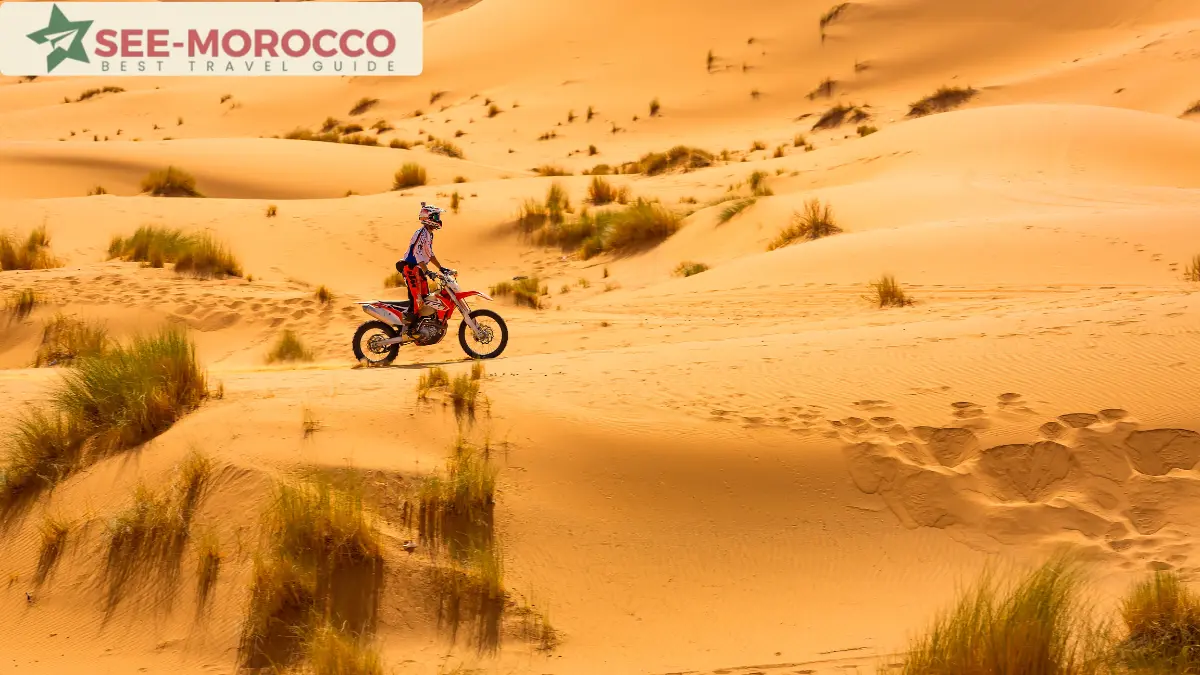
And here’s the thing I keep noticing: I see solo tourists riding out alone across the dunes around Ouarzazate. Men and women, alone, sometimes deep into remote territory where there’s no phone signal and no one around. I see people camping in the open desert, just a tent and the stars. I have never — not once — heard of any of them being attacked or harassed.
That’s not a tourism slogan. That’s what I see with my own eyes.
So: is Morocco safe? Yes. But let me give you the real answer instead of just the reassuring one.
Morocco Safety: The Actual Picture
Morocco holds a Level 1 travel advisory from the U.S. State Department — the same rating as France, Japan, and the Netherlands. The UK, Canada, and EU governments rate it similarly. Over 14 million tourists visit each year.
The overwhelming majority leave without a single serious incident.
The risks tourists imagine before arriving — terrorism, violent crime, getting mugged — are not the actual risks. The actual risks are getting overcharged by a taxi, buying something you didn’t mean to buy, or spending your first morning in the medina feeling overwhelmed.
Those things are manageable. This guide tells you exactly how.
Is Morocco Safe in Major Cities?
Marrakech
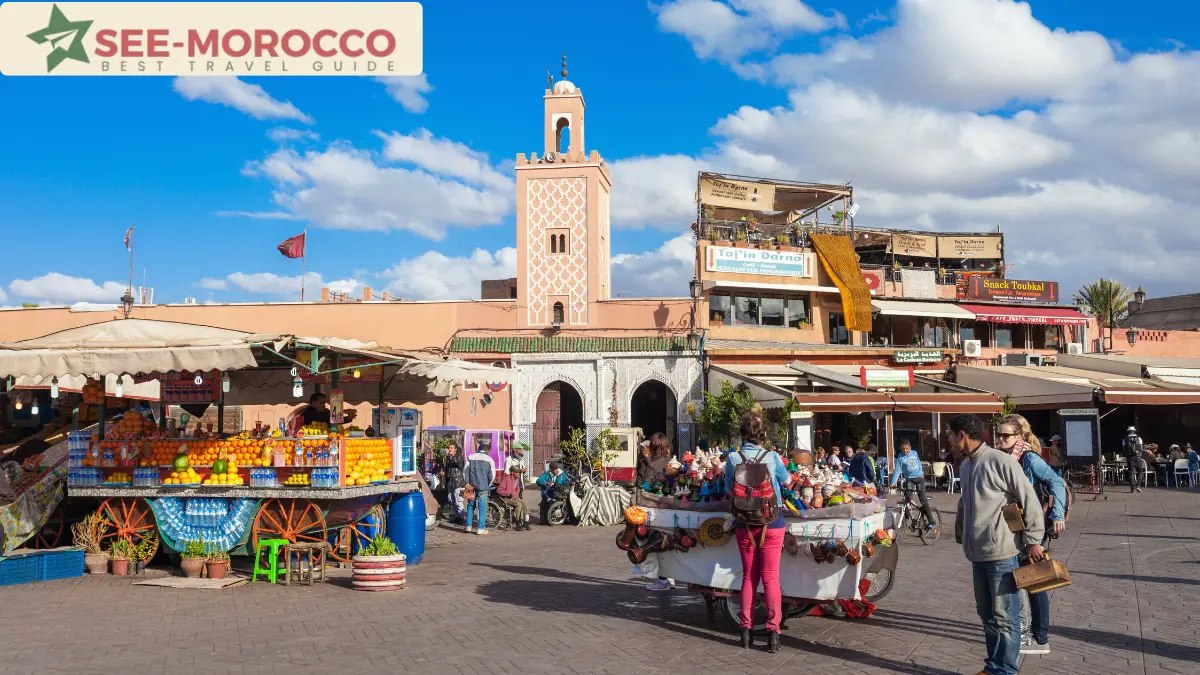
Marrakech is Morocco’s most visited city and also the one with the most tourist complaints — almost all about scams and aggressive touts, not violence.
The medina can feel overwhelming in the first hour. By day two, most visitors have found their rhythm.
The main thing to watch: someone tells you the place you’re looking for is “closed today” and offers to show you something better. Twenty minutes later you’re deep in a carpet shop with significant social pressure to buy something. Prevention is simple: verify any “closed today” claim with your riad before changing your plans. Hire guides only through your accommodation.
Jemaa el-Fna and the main medina streets are busy and well-lit until late at night. The further you go from tourist areas, the quieter — not dangerous, just residential.
Fes
Fes’s medina has 9,000 streets and getting lost is inevitable. This is fine. Every street leads somewhere, and locals will point you in the right direction — usually without expecting anything in return.
The real challenge in Fes is unofficial guides who approach at medina gates. A firm “no thank you” works. Hiring a guide through your riad is genuinely worth it here — not for safety, but because the city rewards knowing someone who actually understands it.
Casablanca
A working city, not a tourist destination. Safe, with a functioning metro and well-patrolled city centre. The Corniche waterfront is pleasant at night. Standard urban awareness applies, same as in any large city.
Chefchaouen and Essaouira
Both are noticeably relaxed compared to Marrakech and Fes. Tourists walk freely at all hours with minimal hassle. If it’s your first time in Morocco and you’re nervous, Chefchaouen is the easiest possible entry point. → [Full Chefchaouen guide here]
Agadir
Morocco’s most resort-style city — planned, modern, built specifically for tourism. Crime targeting tourists is genuinely rare. The most straightforward city in the country for visitors.
The South: Ouarzazate and the Desert
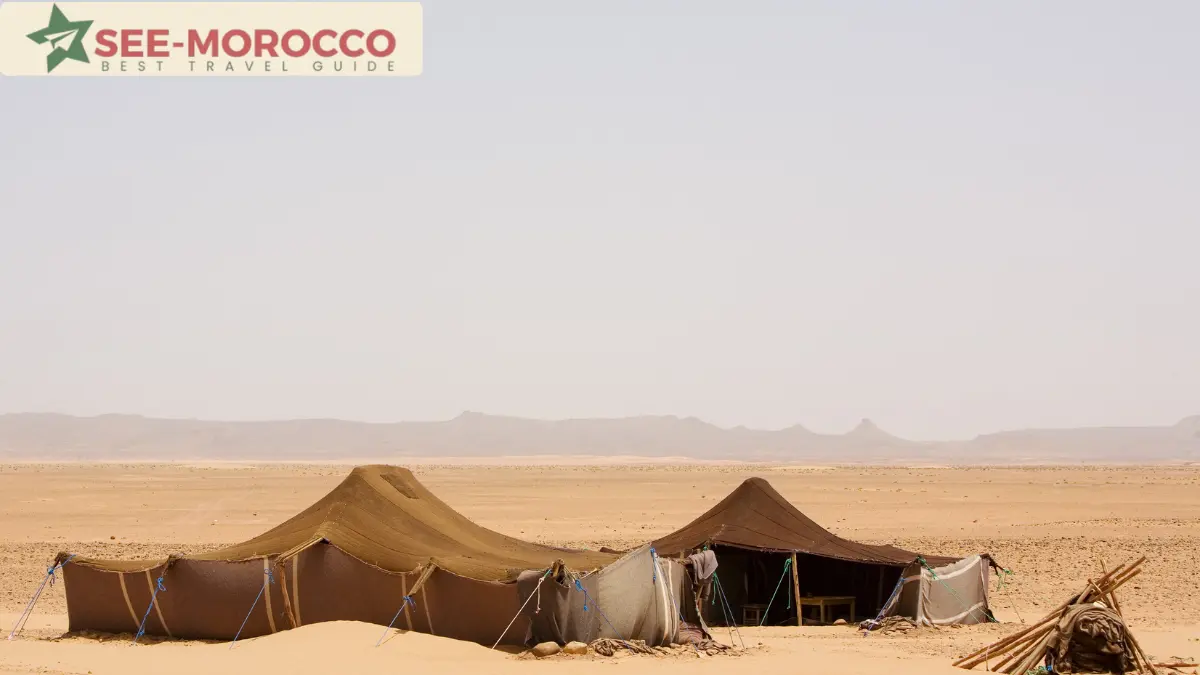
This is my part of the country. Ouarzazate sits between the Atlas and the Sahara, and the surrounding region is among the safest in Morocco in terms of crime.
The risks here are practical: heat, dehydration, getting disoriented on unmarked desert tracks. The people are not the concern — the terrain is. More on desert safety here →
Always use a reputable operator for deep desert camping. Not because of people — because the desert is unforgiving if something goes wrong mechanically or medically. The Atlas mountain roads have their own practical risks too, which are worth understanding before you drive them.
Is Morocco Safe for Solo Female Travellers?
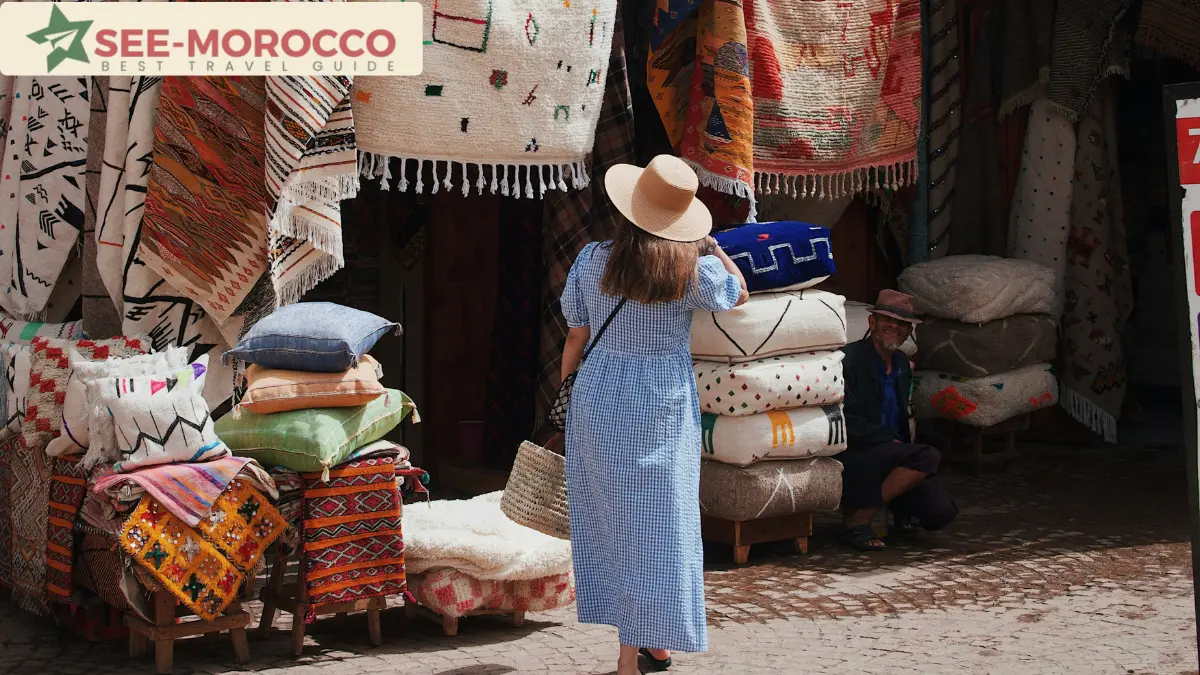
Thousands of women travel alone in Morocco every year without incident. But I’ll give you the honest version rather than just the reassuring one.
Verbal harassment exists, particularly in Marrakech’s main medina. Not violence — unwanted attention and persistent approaches. Pretending otherwise doesn’t help anyone plan properly.
What actually works:
- Modest dress in medinas (shoulders and knees covered) reduces unwanted attention significantly. Experienced female travellers consistently report this — not as a comment on anyone’s expectations, just as practical advice.
- Walking with purpose, even when uncertain of your direction, reduces approaches. Someone who looks like they know where they’re going gets left alone more than someone who looks lost.
- “I’m meeting my husband” is universally understood in response to persistent attention.
- Stay at riads rather than chain hotels. Riad staff know the neighbourhood, can advise on specific areas, and create a sense of community among guests.
Cities like Essaouira, Chefchaouen, and Agadir are noticeably more relaxed for solo women than Marrakech’s core medina area.
The Real Risks: What to Actually Watch For
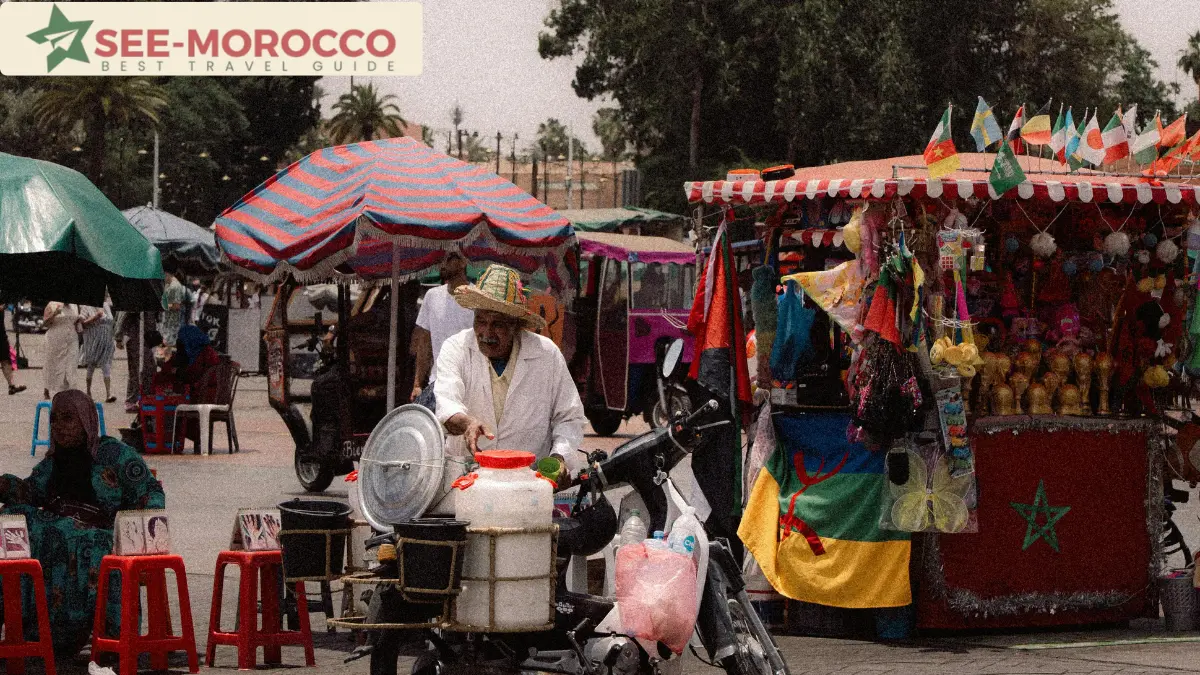
1. The Fake Guide Scam
A stranger tells you your destination is “closed today” and offers to show you something better. This is Marrakech’s most common tourist complaint. Verify any “closed” claim with your accommodation before changing plans.
2. Taxi Overcharging
Meters that “don’t work” are common in tourist areas. Insist on the meter or agree a fixed price before you get in. Your riad can tell you the correct fare — Marrakech airport to medina should be around 80–100 MAD by meter. More on transport costs →
3. Agreed Price Disputes
Agree a price before any service — taxi rides, photos with performers, henna application. Once done, the price can mysteriously change. Confirm first, every time.
4. Fake Argan Oil Cooperatives
Touts lead tourists to “women’s cooperatives” at inflated prices. Genuine cooperatives exist and are worth visiting — reach them through your accommodation’s recommendation, not a stranger on the street.
5. Bag Snatching from Motorbikes
Rare, but real — mostly in Casablanca. Carry bags on your inside shoulder, or wear a crossbody bag in front in busy areas.
Common Morocco Safety Questions
Is Morocco Safe from Terrorism?
Low risk. Morocco significantly overhauled its security infrastructure after the 2003 Casablanca bombings — intelligence cooperation with Western partners, strengthened border controls, community programmes targeting radicalisation. No major attack targeting tourists has occurred since then. Current threat level from major Western governments: low.
Is Morocco Safe for Jewish Travellers?
Morocco has one of the longest Jewish histories in North Africa. Jewish communities lived here for centuries. The country maintains diplomatic relations with Israel. Jewish travellers visit regularly without incident.
Is Morocco Safe for LGBTQ+ Travellers?
Same-sex relationships are technically illegal in Morocco. Public displays of affection between same-sex couples can attract unwanted attention or, in rare cases, legal complications. Many LGBTQ+ tourists visit by being discreet, particularly outside major cities. This deserves honest mention rather than glossing over.
Transportation Safety
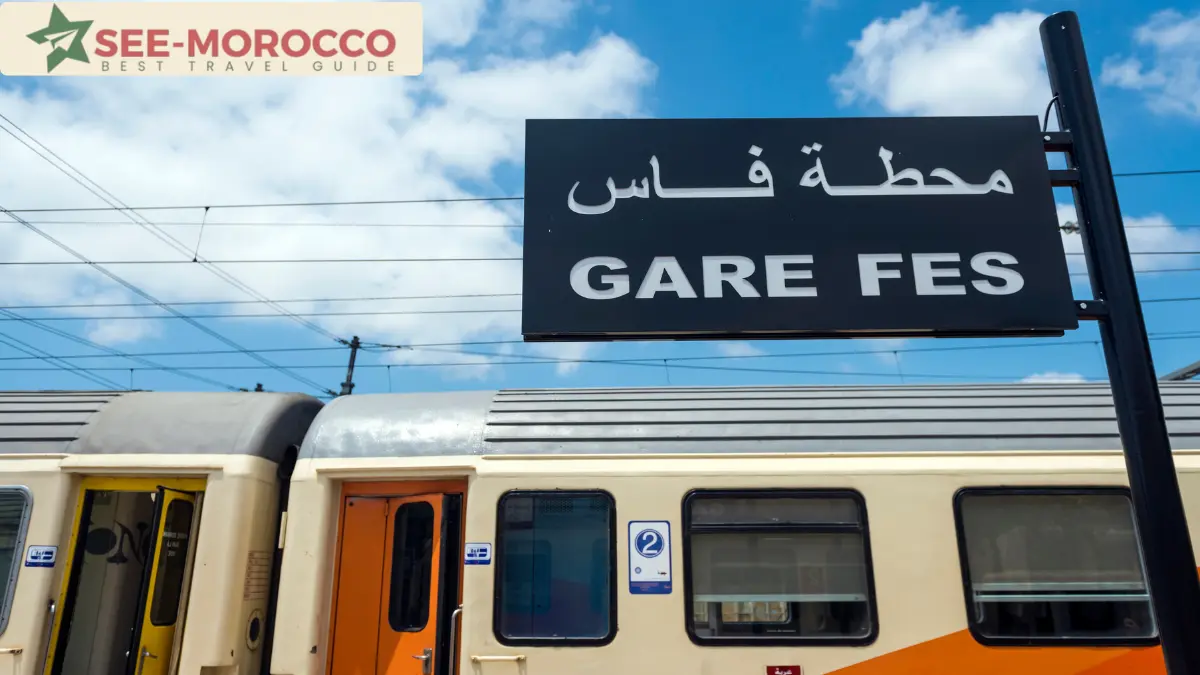
Trains between Casablanca, Rabat, Meknes, Fes, Marrakech, and Tangier are safe, comfortable, and reliable. The Casablanca–Marrakech route takes around 3 hours and is genuinely pleasant.
CTM buses cover intercity routes not served by train. Professional and secure.
Petit taxis (small coloured city taxis) are safe for urban journeys. Always use the meter or agree a price before you get in. In Marrakech, Fes, and Casablanca, they’re red. In Tangier, blue.
Driving yourself is possible but demanding. Roads between major cities are good quality. Driver behaviour is aggressive by European standards. Avoid mountain roads after dark — especially the Atlas routes to Ouarzazate, where the road is narrow and the drops are serious. Atlas Mountains driving →
Health and Medical Safety
Morocco has functional medical facilities in major cities. Casablanca and Rabat have the best hospitals. Marrakech has private clinics equipped for tourist emergencies. Outside cities, facilities are limited.
- Don’t drink tap water. Bottled water is cheap (around 5–10 MAD for 1.5L) and available everywhere — use it for brushing teeth too.
- Street food cooked fresh and hot in front of you is generally fine. Avoid food sitting out uncovered.
- Sun in Morocco is serious — sunscreen is not optional in summer, especially in the desert and at altitude.
- Altitude sickness is a real risk above 2,500m in the Atlas Mountains — ascend gradually.
- Travel insurance covering medical evacuation is worth buying.
Night Safety
Major tourist areas are active and generally safe at night. Jemaa el-Fna in Marrakech is at its busiest after dark. Casablanca’s Corniche is well-patrolled. Fes has restaurants and cafés open late.
Practical:
- Stick to lit streets in medinas after midnight.
- Save your accommodation’s address in Arabic in your phone — taxi drivers often don’t know riad names, only neighbourhoods.
- Most riads lock their doors around midnight. Tell them if you’re coming back late.
Emergency Numbers in Morocco
| Service | Number |
|---|---|
| Police (urban) | 19 |
| Gendarmerie (rural/highways) | 177 |
| Ambulance / SAMU | 15 |
| Fire Brigade | 15 |
| Tourist Police Marrakech | +212 524 384601 |
The Brigade Touristique deals specifically with tourist complaints — scams, harassment, overcharging. Local businesses know they exist, which makes them effective.
Register with your country’s embassy before arriving. Find contacts at your government’s travel advisory website.
Before You Go: Morocco Safety Checklist
✅ Register with your country’s embassy (2 minutes online) ✅ Get travel insurance including medical evacuation ✅ Share your itinerary with someone at home ✅ Store digital copies of your passport in your email ✅ Save your accommodation’s address in Arabic in your phone ✅ Carry small denomination bills — exact change prevents many disputes ✅ Note the Tourist Police number for your destination city ✅ Check current travel advisories from your government
The Honest Conclusion
The risks tourists worry about before coming — terrorism, violent crime, being robbed — are not the actual risks.
The actual risks are overpaying for a taxi, buying something you didn’t mean to buy, or spending your first hour in the medina feeling disoriented and overwhelmed.
None of those things are serious. And none compare to what Morocco gives back.
I’ve asked this question to hundreds of tourists over the years: How did you find Morocco? Not one has told me they wished they hadn’t come. Most are already planning their return before they’ve left.
Come with awareness. The rest takes care of itself.
FAQ — Is Morocco Safe? (2026)
Is Morocco safe to visit in 2026? Yes. Morocco holds a Level 1 travel advisory from the U.S. State Department (Exercise Normal Precautions) — the same rating as France and Japan. Crime targeting tourists is mostly petty theft and scams, not violence. Over 14 million tourists visit each year.
Is Morocco safe for solo female travellers? Manageable with preparation: modest dress in medinas, confident body language, and guides hired through your accommodation rather than approached on the street. Verbal harassment exists in some areas, but physical violence targeting tourists is rare.
Is Marrakech safe for tourists? Yes. The main concern is scams and aggressive touts, not violence. Hire guides through your riad and verify any “closed today” claims before changing your plans.
What are the most common scams in Morocco? The fake guide scam (a stranger tells you your destination is closed), taxi meter refusal, and agreed-price disputes in souks. All are avoidable: agree prices before services, and verify information with your accommodation.
Is Morocco safe from terrorism? Current risk is low. Morocco significantly strengthened its security infrastructure after 2003 and cooperates closely with Western intelligence services. No major attack targeting tourists has occurred since then.
Is it safe to drink tap water in Morocco? No. Drink bottled water throughout your trip, including for brushing teeth. It’s inexpensive and available everywhere.
Do I need travel insurance for Morocco? Yes — not because Morocco is particularly dangerous, but because medical evacuation from remote desert or mountain areas is expensive without it.
Is Morocco safe for families with children? Yes. Moroccans are genuinely warm towards children. Main practical considerations: sun protection, bottled water, and avoiding the most intense medina crowds with very young children.
Have a specific safety question? Leave a comment below — I read and answer every one personally.